|
The Truth Seeker
Tony Stone Matthew
7:7-8 Ask
and it will be given to you; seek and you will find; knock and the door will
be opened to you. For everyone who asks receives; the one who seeks finds;
and to the one who knocks, the door will be opened. John
8:32 Then
you will know the truth, and the truth will set you free. The seven (7) deadly sins
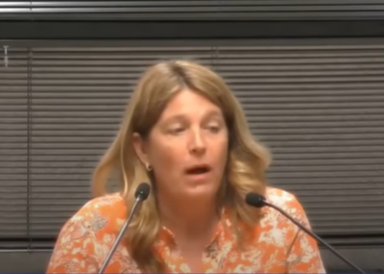
Mother Just Gave The Best Rant You'll
Hear Today Against Woke Culture in Classrooms
What Is Woke? | The three (3) BEST Definitions of WOKEISM You Will
EVER Hear
|
Chapter Four The
Nature of Modern Men, and women The
“woke” culture that emerged in the twenty-first century across the world
advocates activism in favour of minority groups and, by extension, in favour
of all individuals considered disadvantaged due to their ethnic background,
gender, sexual orientation, physical appearance, or disability. While the
goals of woke culture—such as promoting justice and equality—are generally
positive, its implementation leads to unintended consequences that alienate
potential allies, create division, or stifle open discourse. The challenge
lies in balancing the pursuit of social justice with a commitment to free
speech, constructive dialogue, and the willingness to accept that people can
grow and change. And to follow the Bible teachings of men and women, to the
letter. For it is God’s written law. ____________________________________________________________________________________________________ Humanity’s
behaviour in current times is characterized by complexity, paradox, and
transformation, influenced by a mix of technological advances, environmental
challenges, social movements, and geopolitical tensions. In our
progressive and innovative environment with our technological breakthroughs,
the rise of AI, renewable energy technologies, and space exploration, all
highlight humanity’s drive to innovate and solve problems. Medical
breakthroughs with Rapid developments in healthcare, such as liver
and heart transplants,
vaccines
for rubella and mumps,
synthetic
insulin for
diabetics and a range of personalized medicine, showcase our collective our
desire for a better life through our problem-solving capabilities. Then there
is social connectivity. The internet, smart phones and social media foster
global communication, cultural exchange, and awareness of critical issues,
literally on a minute-by-minute basis if we are inclined to monitor them. The
divisive and polarized nature of political and ideological divides, the
polarization in politics and societal values, amplified by digital echo
chambers, has deepened. Misinformation and distrust and the spread of fake
news and declining trust in institutions contribute to societal
fragmentation. We find
ourselves environmentally challenged with the current climate crisis,
humanity grappling with extreme weather events, biodiversity loss, and
resource depletion due to overconsumption and unsustainable practices. Add to
this the activism and our constant awareness, despite challenges, movements
like the UN’s Conference of the Parties (COP##), Greenpeace, Rainforest
Alliance and
Just Stop Oil, and governmental policy shifts toward sustainability reflect
increasing awareness and action. Human
resilience However,
humanity has proven to be resilient and adaptable. The global response to
COVID-19 showcased both flaws and strengths in humanity’s ability to deal
with the pandemic. When under pressure, in times of crisis, many communities
rally together, demonstrating the enduring human capacity for compassion and
resilience. Even
so, ethical dilemmas brought about by advancing technology, such as AI,
genetic engineering, and surveillance technologies raise profound moral
questions, as does, economic inequality. while some benefit from rapid
progress, others are left behind, exacerbating global inequality. But are the
leading adopters of technology responsible for the inequality, or do the slow
learners, lagging adopters, for a plethora of reasons, need to pull up their
socks? Younger
generations are taking the lead on climate action, social justice, and
innovation, symbolizing hope for a more equitable future. Conversely,
ignorance (lack of knowledge and experience) reduces the effectiveness of
their intended purpose. While challenges are immense, humanity’s history of
overcoming adversity suggests a potential for a brighter future – if they can
get it right. In
essence, humanity is at a crossroads, defined by its dual capacity for
destruction and creation, selfishness and altruism. The collective choices
made now will shape the trajectory of our species and the planet for
generations to come. The key
question is, what will we leave for our children’s children? Not just
environmentally speaking, but in cultural and moral terms? The
interconnectedness of things People's
behaviour today reflects the dynamic and often contradictory nature of living
in an era of rapid change, interconnectedness, and uncertainty, and greed. The
interconnectedness of things creates a positive appreciation for
availability, affordability, accessibility and can-get-it-now that translates
into total convenience. Social media and technology have made people more
connected globally and yet it leads to superficial relationships and feelings
of isolation if not pursued on a day-to-day basis. Apps like YouTube shorts,
Instagram, Twitter, WhatsApp develop short attention spans and the constant
multitasking, which is common as people navigate a flood of information. Change being
a constant, people adapt to it, but differ in approach. Depending on the
generation in which you were born, you will either focus on personal goals,
self-improvement and self-expression, sometimes prioritizing these over
communal values, or conversely sacrifice your individualism for a
collectivist approach and pursue social justice, climate action and
equality/equity. In response to crises from pandemics to natural disasters,
people will always demonstrate cooperation, but in different groupings with
their concomitant ingenuity. In finding solutions, but with differing
approaches to implementation, it always leads to conflict. The COVID-19
pandemic was a good example. These
mental health challenges, cause widespread anxiety, stress and burnout due to
economic pressures, climate fears, the increasing number of natural disasters
and the fast pace of life. However, many remain hopeful, working toward
positive change in their communities and beyond. For
those who can afford it and those who can’t, consumption remains a
significant driver of behaviour, fuelled by advertising and social pressures,
cash reserves get depleted and debt rises. Others rejecting excess, embrace
minimalism, sustainability, and intentional living. In
living intentionally, as “woke” people do, they are more openly exploring and
expressing diverse identities, fostering broader inclusion and acceptance. In
the process, globalization has enriched interactions, leading to a blend of
traditions and ideas. But, behind this veil, lurks the ideals and desires of
communism and Islamism, both of which seek world domination. This
leads to distrust and scepticism with many people sceptical of governments,
corporations, and traditional institutions due to corruption, inequality, and
misinformation, false
or inaccurate information, usually by not knowing or getting the
facts wrong, and disinformation, false
information which is deliberately intended to mislead. Then there is real the
truth. Regardless, government and non-government organizations, peer-to-peer
networks and mutual aid efforts thrive to promote their version of the “truth”
in order to influence people who are in earshot of their respective belief
systems so as to achieve advantage, support and gain. Within
the realms of human existence, quick access to goods, services, and
information has encouraged impulsive decision-making within some quarters
while, conversely, there’s a rise in mindfulness, mental health awareness,
and a deeper reflection on life’s purpose in other quarters. Even
so, today, people are navigating a world of contrasts, striving for balance
between connection and solitude, material wealth and spiritual fulfilment,
fear and hope. Their behaviour reflects both the challenges and opportunities
of our complex era. The
morality of people This
leads us to the morality of people. Today, morality is multifaceted,
reflecting a mix of evolving values, ethical dilemmas, and cultural
influences. It is shaped by the rapid changes in technology, globalization,
and societal norms, creating both progress and challenges in how morality is
understood and practiced. With
our evolving moral standards, moving away from Judaeo-Christian standards,
many people are embracing more inclusive and egalitarian ideals, advocating
for human rights, gender equality, racial justice, and LGBTQ+ acceptance.
This is a shift away from rigid, traditional moral frameworks toward more
subjective, situational ethics. This,
brought about by an increased awareness of global issues, such as continuous
wars, and conflict, and the innocent victims of such wars and conflict,
climate change, natural disasters, poverty, and inequality, has fostered a
new sense of moral responsibility for the planet and future generations with
many individuals actively working to address systemic injustices, reflecting
a collective push for fairness and accountability. In
facing these challenges as presented by ever advancing technologyies, ethical
dilemmas manifest in issues such as data privacy, AI ethics, and the impact
of social media on mental health of individuals and raise questions about
responsibility and morality in the digital age. The
internet and smartphones have enabled both positive activism and harmful
behaviours such as cybercrime and hacking, cyber bullying, porn, racism,
suicide, Internet addiction, social isolation, misinformation and
disinformation perpetrated by unscrupulous, moral delinquents who lack any
form of common decency or accountability. Add to
this the moral polarization of conflicting values. Political and ideological
divides have created stark moral disagreements, with some prioritizing
individual freedoms and others emphasizing collective welfare. And, where
there are disagreements on these issues, social media amplifies their moral
outrage, often creating echo chambers where nuanced discussions are
difficult. In this
maelstrom of conflicting opinions, more people are considering the
correctness and ethical implications of their political, social and
environmental choices, such as who to vote for, how to reduce waste, support
fair trade, and advocate for our lithosphere (land), hydrosphere (water),
biosphere (living things), and atmosphere (air). Many people regard
environmental stewardship as a moral obligation, reflecting a shift towards
Earth’s long-term preservation and human sustainability, for our children’s
children. However,
within this complexity immoral ambiguity exists. Our rapid social and
technological change has created situations where traditional moral
guidelines don’t or can’t apply, leading to confusion and debate. As such,
people often make compromises between idealism and practicality, to navigate
complex ethical landscapes. Nonetheless,
there is a noticeable resurgence of traditional morality. While many people
embrace modern ethics, others cling to or rediscover their traditional cultural
and religious roots, with
the concomitant moral values, sometimes in reaction to a perceived moral
decline. Moral
diversity The
morality of people today is diverse and in flux, reflecting the complexities
of a globalized, technologically advanced, and rapidly changing world. While
there are challenges, such as moral ambiguity and polarization, there is also
a growing emphasis on inclusivity, sustainability, and collective well-being.
However, and it’s a big however, describing
humanity today as "morally bankrupt" would be an oversimplification
that overlooks the complexities and nuances of human behaviour, and morality
itself. While there are undoubtedly moral failures and challenges in the
world, there are also significant efforts to address these issues, showcasing
humanity's capacity for growth and ethical responsibility. But,
when people see widespread injustice e.g. economic inequality, systemic
racism and/or exploitation of the less fortunate, they see moral bankruptcy -
moral values being sacrificed for profit and power. Moral bankruptcy is
illustrated in these instances: ·
Despite
awareness of climate change and environmental degradation, many actions by
corporations and governments prioritize short-term gains over long-term
sustainability. ·
The
rise of fake news, propaganda, and corporate dishonesty undermines trust and
ethical discourse. ·
A
culture of consumerism and individualism can sometimes overshadow collective
responsibility and compassion for others. ·
Political
and ideological divides lead to dehumanization and a lack of empathy for
those with differing views. Even
so, there is evidence of moral integrity and renewal. Global movements for
justice such as Amnesty International, Human
Rights Watch, Indigenous
land rights movement,
Girls’
rights to education,
#MeToo, demonstrate a strong
moral commitment to higher standards of morality, equality and fairness. In
crises, such as the COVID-19 pandemic, individual doctors, nurses, family
members and communities showed extraordinary resilience and compassion, even
generosity. Within
everyone, except the few, there is an awareness of the ethical need for
environmental sustainability and human rights that reflects a shift toward
more responsible decision-making by those in control, be they in government
or in the private sector. However, this is tempered by greed. Nonetheless,
the awareness is there but supressed. Younger
generations are increasingly taking the lead in advocating for a better, more
ethical future, from climate action to political reform. Fortunately,
there is technological progress for good. Advances in technology are being
used to address global challenges, such as improving healthcare access and
combating poverty. Moral ambiguity Then
there is the gray area of Moral Ambiguity. Humanity
today exists in a state of moral tension, where advancements in some areas
coexist with regressions in others. Many ethical dilemmas are unprecedented,
leaving individuals and societies grappling with how to navigate them. So,
while humanity is far from perfect and there are instances of significant
moral failings, labelling the entire species as morally bankrupt dismisses
the genuine progress, altruism, and ethical efforts that exist. Humanity is
better characterized as morally complex—capable of both profound failures and
extraordinary triumphs. Whether the future leans toward moral decay or growth
depends on the collective choices we make moving forward. Greed,
the second deadly sin As I
mentioned earlier, greed, the level of which in people today varies widely
depending on cultural, economic, and individual contexts. While greed—defined
as an excessive desire for material wealth or power—is certainly present in
many aspects of society, it coexists with generosity, altruism, and efforts
toward fairness and sustainability. Here's a nuanced perspective on greed
today: If you
look and monitor closely, there is Evidence of Greed in our Modern Society.
Some more apparent than others. This is clearly obvious in the growing gap
between the ultra-wealthy and the rest of the population, which often
reflects unchecked greed in corporate and political systems. South Africa is
a prime example. Corporate
and political greed manifests itself in subtle ways with corporations often
prioritizing shareholder profits over ethical practices, which in turn can
and does lead to environmental harm and social exploitation. Practices, such
as low wages and poor labour conditions, highlight the prioritization of
profit over people. The Chinese, wherever they establish their businesses,
are well known for this. The
overuse of natural resources for short-term profits, often at the expense of
future generations, is a manifestation of collective greed. The deforestation
in the Amazon rainforest is a perfect example of this type of activity. Planned
obsolescence in products encourages excessive consumption at the expense of
sustainability. Shrinkflation
is another sneaky means of cutting costs while maintaining the perception of
same value for money. The wrapping of a chocolate slab, for instance, is kept
at its size but the slab inside the wrapping is reduced, thereby cutting
costs. Our
consumer culture driven by advertisements and social media promote
materialism and status symbols, driving a cycle of overconsumption and
"keeping up with the Joneses." Political
corruption and self-serving decisions undermine public trust and prioritize individual
or party gain over societal benefit. The South Africa’s African National
Congress is well known for this. The are
counterpoints to greed as evidenced by generosity and altruism. Many wealthy
individuals and organizations donate significant resources to charitable
causes, funding healthcare, education, and poverty alleviation. Crowdfunding
platforms and grassroots movements enable ordinary people to contribute to
others in need. Growing environmental awareness has led many to adopt
minimalist lifestyles, reject excessive consumption, and advocate for ethical
business practices. And, in times of crisis, such as natural disasters or
pandemics, communities often come together, demonstrating selflessness and a
willingness to share resources. In addition, activism against corporate
greed, such as anti-corruption movements and climate strikes, reflects the
widespread disapproval of greed-driven systems. Why
does greed persist? Power and money are linked, as is the lust for it. Greed
can be linked to human survival instincts, where individuals seek to secure
resources for themselves and their families. Capitalist systems often reward
greed, encouraging people to prioritize personal gain over collective
well-being. Real or perceived scarcity drives people to hoard resources,
sometimes irrationally. Greed
is undoubtedly a significant issue today, visible in economic inequality,
environmental harm, and consumer culture. However, it is balanced by a
growing awareness of its consequences and a rising tide of generosity and
ethical action. People are not uniformly greedy; behaviours depend on
individual values, societal systems, and access to resources. The challenge
lies in creating structures that reward fairness and collaboration over
excessive accumulation. Corruption
and criminality Corruption
and criminality are pervasive issues in societies worldwide today, but their
extent varies significantly depending on cultural, economic, political, and
legal contexts. Both phenomena undermine trust, fairness, and justice,
impacting individuals, communities, and global systems. ·
Corruption Corruption is widespread
and manifests in various forms, including political, corporate, and
institutional misconduct. Political corruption
infiltrates many governments. The struggle with corruption, including
bribery, embezzlement, nepotism and electoral fraud is common in many African
countries, especially Zimbabwe and South Africa. Political corruption
undermines democratic processes, erodes public trust, and exacerbates
inequality. Scandals involving misused public funds, influence peddling, and
misuse of authority are frequent worldwide. Unfortunately, governments
are not the only ones that engage in corruption. Some corporates are willing
partners in corruption. Companies often engage in unethical practices to
secure contracts, evade taxes, or maximize profits. Corruption in industries like
mining, logging, and fossil fuels facilitates environmental degradation and
human rights abuses. Then there is everyday
corruption, which we call petty corruption, as in many countries, where
citizens face routine demands for bribes in exchange for basic services or
for protection. Institutional immorality where
corruption in police forces, healthcare, and education systems
disproportionately harms vulnerable populations. The
Global Effects of corruption costs the global economy trillions of dollars
annually and diverts resources from essential public services. It fuels
inequality, weakens institutions, and fosters discontent, sometimes leading
to social unrest. ·
Criminality Crime, like corruption,
varies in nature and prevalence but impacts all societies. Some more so than
others. From
north to south, east to west, we have organized crime with transnational,
interconnected criminal organizations engaging in drug trafficking, human
trafficking, arms smuggling, and cybercrime. This shadow economy undermines
legitimate businesses and economies. White-collar crime pervades
some societies with insider trading, tax evasion, and money laundering
harm economies and trust in financial systems. Weak enforcement of control
procedures and legal gaps often allow white-collar crimes to go unpunished. Since
the 1990s, South Africa has developed a reputation for being 'the crime
capital of the world. They are not alone. South America has some of the most
violent criminal gangs in the world. Violent crimes including murder, attempted murder,
rape, robbery
and assault are more prevalent in areas with poverty, weak law enforcement
and/or political instability. Gender-based
violence (GBV), in treating women differently from men in social and/or
professional settings and using threatening, aggressive, intimidating or
violent behaviour is typical of misogynistic cultures that have pervasive but
often underreported forms of criminality affecting families globally. Cybercrime, including
hacking, ransomware, and identity theft, has surged with increased reliance
on digital infrastructure. It affects individuals, corporations, and
governments, often transcending borders and leaving victims without any hope
of retrieving emptied bank accounts. Lastly,
street-Level Crimes such as theft, vandalism
and drug-related offenses, impacts communities and contributes to feelings of
insecurity, often downgrading suburbs in the process. Looking
at the factors driving corruption and criminality, poverty and lack of
opportunity often drive individuals toward crime or accepting corrupt
systems. Countries with weak rule of law, poor enforcement mechanisms, and
lack of accountability see higher levels of both. In some societies, such as
South Africa, corruption is normalized or seen as a necessary part of
navigating bureaucracy. Many other countries are in a similar position. While
it has many benefits, globalization also facilitates transnational crime and
corruption. Yet, we
do have Efforts to Combat Corruption and Crime. Transparency International
and other organizations work to expose corruption and hold governments
accountable. Whistleblower protections and investigative journalism play
crucial roles in uncovering corruption. Efforts to improve
policing, judicial systems, and rehabilitation programs aim to reduce crime
rates.
Advances in technology help detect and prevent cybercrime, while blockchain
is used to increase transparency in financial transactions. Civil society
activism pressures institutions to address corruption and crime. Corruption
and criminality are significant challenges that affect societies worldwide,
undermining trust, equity, and progress. While these issues are deeply
entrenched, global efforts to increase transparency, enforce accountability,
and address systemic inequality are ongoing. The degree to which they succeed
depends on sustained collective action by governments, institutions, and
individuals. Woke culture I
started this chapter talking about “woke culture” and, given all that I have
spoken about here, the nature and behaviour of modern men and women, I will
end this chapter with a more in-depth look at this phenomenon that has
gripped our young Zoomers, alternatively known as Generation Z. Woke
culture refers to a societal movement that emphasizes awareness of social
injustices, inequality, and discrimination, particularly in relation to race,
gender, sexual orientation, and other marginalized identities. The term
"woke" originated in African American Vernacular English (AAVE) as
a slang term for being awake to social and political issues, especially
racism. Over time, it has evolved to encompass broader progressive values
like environmentalism, LGBTQIA+ rights, economic inequality, and decolonization.
Supporters
of woke culture advocate for social change and challenge traditional norms,
calling out systemic oppression and pushing for inclusivity and equity. The
movement encourages people to become more conscious of biases, privilege, and
structural inequality in all aspects of society, from politics to
entertainment to everyday interactions. However,
the term "woke" has also been criticized and politicized. Some
critics argue that it has become a form of virtue signalling or an
overzealous, performative stance that focuses too much on language and
gestures rather than practical change. The term has often been weaponized in
political discourse to dismiss or mock progressive activism, with critics
claiming it leads to cancel culture or stifles free speech. In
essence, while "woke culture" aims to promote awareness and social
justice, its interpretation and impact can vary significantly depending on
one’s perspective. While woke culture aims to promote social justice and awareness of
inequality, there are several criticisms and perceived negatives associated
with it: ·
Cancel culture: One of
the most common criticisms of woke culture is its association with cancel
culture. Critics argue that it encourages people to publicly shame or
"cancel" individuals or organizations over mistakes or
controversial opinions, sometimes without room for growth, dialogue, or
redemption. This can lead to fear of speaking out, even on nuanced or
evolving issues, and may punish people for expressing sincere but imperfect
views. ·
Over-sensitivity and "virtue
signalling": Some critics feel that woke culture can encourage
excessive sensitivity, leading people to take offense at minor or unintended slights.
This can stifle open discussion and make people more focused on signaling their moral superiority rather than engaging in
meaningful conversations. The concern is that some people may adopt
"woke" views for social approval or to appear morally righteous
without fully understanding or committing to the causes they champion (often
referred to as "virtue signaling"). ·
Polarization and division: While
woke culture advocates for inclusivity, it has been seen by some as
contributing to societal division. By focusing on identity politics and
drawing clear lines between "us" (those who are aware of social
injustices) and "them" (those who are seen as ignorant or complicit
in oppression), it can create a sense of us-vs-them that might undermine
unity and cooperation across different viewpoints. ·
Censorship and free speech concerns: Woke
culture often advocates for removing or boycotting content, figures, or ideas
that are deemed harmful or offensive. While this can be seen as a way to
protect marginalized groups, critics argue that it can lead to censorship,
where ideas are shut down rather than discussed. This raises concerns about
stifling free speech and limiting the range of opinions that are heard in
public discourse. ·
Performative activism: Woke
culture is sometimes seen as promoting "performative activism,"
where individuals or companies publicly support social causes for the sake of
appearances, rather than for genuine commitment to change. For example, a
corporation might post a message in support of social justice on social media
but fail to make meaningful internal changes or address issues of inequality
within their own organization. ·
Unintended consequences: There’s
concern that some initiatives within woke culture, such as policies meant to
create diversity and inclusion, could lead to reverse discrimination or a
focus on quotas rather than merit. Critics argue that this can result in
resentment and may not address the root causes of inequality, ultimately
undermining the long-term goal of true equality. ·
Echo Chambers and groupthink: Some
argue that woke culture can foster echo chambers, where people only interact
with those who share their views, and dissenting opinions are dismissed as
"ignorant" or "bigoted." This can limit critical thinking
and self-reflection and prevent productive debate. People may become more
concerned with adhering to the "correct" woke norms than engaging
in complex, diverse perspectives. ·
Stifling of humour and art: Comedy, satire,
and art often explore controversial or uncomfortable subjects, but woke
culture’s emphasis on being sensitive to all forms of oppression has led some
to argue that humour and creativity are being censored. Comedians, for
example, may feel the need to avoid certain topics or adopt a sanitized
approach to avoid backlash. ·
Unrealistic expectations of perfection: Woke
culture can sometimes create unrealistic standards of behaviour, expecting
people to always be "perfect" in their awareness of social issues.
This can lead to public shaming of individuals who make mistakes or express
imperfect views, even if they are genuinely trying to learn and grow. This
can discourage people from engaging with social issues out of fear of being
criticized or ostracized. Public discourse surrounding these issues often involves a wide range
of perspectives and nuanced debates. It's important to recognize that these
points represent criticisms or concerns raised by researchers and may have a
few exceptions. The impact and consequences of any social or political
movement can vary across different contexts and perspectives. Different
perspectives exist, and ongoing discussions and debates is needed to shape
the discourse surrounding these issues; which wokeism does not allow. USA Millennial billionaire Vivek Ramaswamy one said “The two most
dangerous ideologies of the 20th century were Nazism (identity politics on
steroids) and Marxism (oppressor/oppressed narratives on steroids). And, when
you combine the two, you get their love child, which is modern wokeism. Wokeism leads the charge in apostacy and the great falling away. HOME | CONTENTS | NEXT CHAPTER |
|||||||||
|
|
|
|||||||||
|
|
© 2025 Copyright Tony Stone, South Africa |
|||||||||